

A Shift Toward Sustainability
Across Africa, a quiet revolution is taking place — one that’s redefining how people live, build, and do business. As communities grow and industries expand, the amount of waste generated has skyrocketed. But instead of seeing waste as a problem, more entrepreneurs are starting to see it as a resource.
This mindset lies at the heart of the circular economy — a system that keeps materials in use for as long as possible through reuse, recycling, and regeneration.
It’s a model built not just on profit, but on purpose. And with companies like Zhauns empowering small businesses to recycle and manufacture locally, the circular economy is becoming a powerful tool for economic growth, environmental health, and job creation across Africa.
What Is the Circular Economy (And Why Does It Matter)?
In a traditional “linear economy,” products are made, used, and then thrown away. It’s a one-way process: take → make → waste.
The circular economy, on the other hand, is a loop:
Make → Use → Reuse → Recycle → Regenerate
This model ensures that products, parts, and materials stay in circulation for as long as possible — reducing waste, saving resources, and lowering costs for businesses and consumers alike.
For Africa, the benefits are enormous: less waste in landfills, more jobs, stronger local industries, and cleaner cities.
Why Africa Needs a Circular Economy
Africa’s population is projected to double by 2050. With rapid urbanization and industrial growth, waste management systems are under pressure. But that same waste — plastic, metal, paper, glass, food, and construction debris — can become raw material for new businesses.
The circular economy offers solutions to:
- Reduce waste and pollution.
- Create green jobs for youth and local communities.
- Boost local production through recycling and reuse.
- Promote innovation in sustainable product design.
In short, it turns environmental challenges into economic opportunities.
How Recycling Powers the Circular Economy
Recycling is the engine of the circular economy. It gives waste new life, creating value where others see none.
Here’s how:
- Plastic bottles become reusable pellets or furniture.
- Glass bottles become sand or eco bricks.
- Waste paper becomes tissue or packaging.
- Scrap metal is melted down for construction or automotive use.
Zhauns helps entrepreneurs close this loop by providing affordable, easy-to-use recycling machines that turn everyday waste into new products and business opportunities.
Zhauns: Empowering Africa’s Circular Economy
Zhauns has been at the forefront of African entrepreneurship for over 50 years. Its range of recycling and manufacturing machines enables people from all walks of life to start sustainable businesses that contribute directly to the circular economy.
Here are some of the Zhauns machines driving this movement:
1. Eco Brick Line
Made from cement, sand, waste plastic, and crushed glass, Zhauns’ Eco Brick Line transforms waste materials into strong, durable building blocks.
Impact:
- Reduces plastic and glass waste.
- Lowers the carbon footprint in construction.
- Creates a sustainable, high-demand product.
These bricks are used for housing, paving, and infrastructure — proving that sustainability can be profitable.
2. Bailing Machine
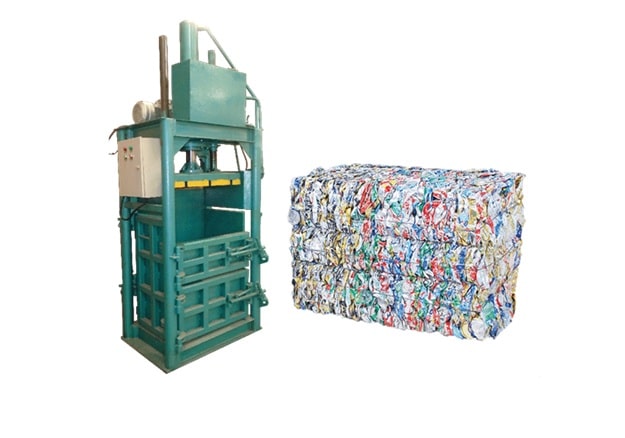
The Zhauns Baling Machine compresses waste like paper, plastic, and scrap metal into compact bales that can be easily stored, transported, or resold.
Impact:
- Reduces waste volume and storage needs.
- Encourages recycling logistics and trade.
- Helps small recyclers earn consistent income.
This simple machine is a key link between waste collection and recycling plants.
3. Plastic Crusher/Shredder Machine
This machine crushes and shreds plastic bottles, bags, and film into small flakes. These flakes are then melted and reused to create new plastic items.
Impact:
- Reduces single-use plastic waste.
- Provides affordable raw material for local manufacturers.
- Supports small-scale entrepreneurs.
Every time plastic is recycled, the circular loop strengthens.
4. Bottles and Glass Crusher
Used by bars, hotels, collectors, and recyclers, this machine crushes glass into fine particles or sand-like material.
Impact:
- Reduces landfill waste.
- Supplies material for construction or eco bricks.
- Lowers transport costs for recyclers.
This is recycling in its purest form — turning broken bottles into a new building material.
The Economic Benefits of Going Circular
Adopting a circular economy creates measurable value for communities and industries.
1. Job Creation
Recycling and waste repurposing are labour-intensive, creating work for collectors, sorters, machine operators, and distributors.
2. New Local Industries
From eco construction materials to plastic furniture and recycled packaging, new industries are emerging that rely on recycled inputs instead of imports.
3. Environmental Protection
Circular systems reduce pollution, conserve resources, and minimize the impact on landfills.
4. Business Growth
Circular businesses are profitable because they save costs on materials while meeting rising demand for sustainable products.
Corporate and Community Partnerships in the Circular Economy
Across Africa, corporates, NGOs, and communities are investing in circular initiatives such as:
- Plastic collection networks that supply recyclers with consistent materials.
- Recycling cooperatives that empower local entrepreneurs.
- Green funding programs that support sustainable manufacturing.
Zhauns’ machines make these partnerships easier — offering reliable, low-maintenance equipment that communities and small businesses can use immediately.
From Waste to Wealth: Real-Life Applications
Let’s imagine a local entrepreneur who decides to start recycling plastic waste in their town.
- They invest in a Zhauns Plastic Crusher/Shredder.
- They collect bottles and plastic bags from markets and restaurants.
- The shredded plastic is sold to local manufacturers or used in eco brick production.
- With profits, they hire locals and expand with a Bailing Machine to handle more materials.
In just Years, what started as a small recycling idea becomes a sustainable business creating jobs, cleaning the community, and generating income.
This is the circular economy in action.
How You Can Be Part of the Circular Economy
Anyone can participate — individuals, businesses, and organizations. Here’s how:
- Start a recycling business using Zhauns machines.
- Collect waste from your area and sell it to recyclers.
- Buy eco-friendly products made from recycled materials.
- Encourage schools and offices to recycle paper and plastic.
- Partner with NGOs or green projects for funding and training.
Every action contributes to a bigger impact.
FAQs About the Circular Economy in Africa
Q1: What does circular economy mean?
It’s an economic model that eliminates waste by reusing and recycling materials continuously.
Q2: How is recycling connected to the circular economy?
Recycling keeps materials in circulation, turning waste into new resources — the foundation of a circular system.
Q3: What kind of businesses can join the circular economy?
Any business that uses waste as input — from recyclers to eco-manufacturers.
Q4: What are the benefits for small entrepreneurs?
Lower startup costs, new income streams, and access to growing green markets.
Q5: How can Zhauns help?
Zhauns provides affordable recycling machines, training, and business guidance to help you start and grow your circular business.
Building a Greener, Stronger Africa
The circular economy is not just a global trend — it’s the future of sustainable growth in Africa. By turning waste into opportunity, it empowers communities, strengthens economies, and protects the planet.
With Zhauns recycling machines, anyone can join this movement. From the Eco Brick Line to the Plastic Shredder and Bailing Machine, these tools transform discarded materials into products that fuel progress.
The future of Africa’s economy is circular — and it starts with innovation, local action, and the belief that nothing should go to waste.